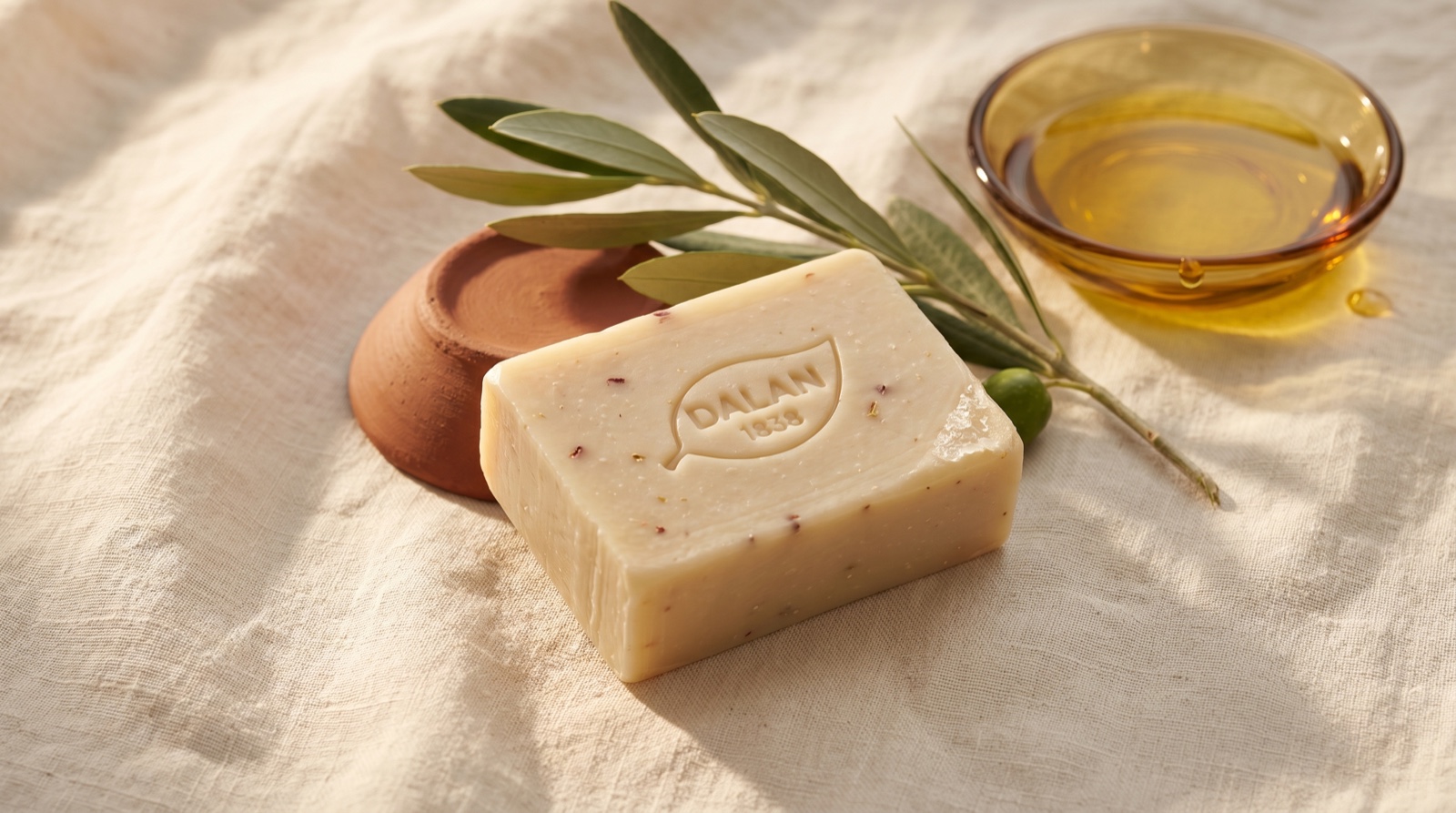
The Turkish soap category sits at a peculiar intersection in US grocery right now. It is simultaneously a legacy ethnic-aisle product with 30-year shelf placement at independent stores in New Jersey and New York, and a nascent "natural ingredient" story that is starting to attract mainstream buyers who have never stocked an imported Turkish brand before. Understanding which dynamic is dominant in your market — and which one is driving your reorder velocity — matters more in 2026 than it did in 2021.
We import Turkish personal care products into the United States. We have done so since 1999. The following observations come from running this supply chain across multiple decades and from the conversations we have with grocery buyers throughout the East Coast. We are not citing survey data — we are describing what we actually see moving through our warehouse and onto shelves.
The Ethnic Aisle Baseline Is Holding
The foundational demand for Turkish bar soap in the US has not gone away. It has, if anything, stabilized at a higher level than pre-2020. The Turkish-American population in the tri-state area — concentrated in Bergen County, Union City, and parts of Brooklyn — represents the bedrock buyer for Turkish personal care brands. These consumers have brand loyalty that is pre-formed: they know Dalan or d'Olive from Turkey, and they buy it at US stores specifically because it is the product they grew up using. This is not a discovery purchase. It is a recognition purchase. The category velocity for Turkish soap at well-stocked ethnic markets in NJ and NY consistently outperforms comparable shelf-footage in other imported soap categories.
What has changed in this baseline segment is the geography. The Turkish-American community has spread outward from its historical NJ/NY concentration into Connecticut, Pennsylvania, and parts of Maryland over the past decade. Buyers at regional ethnic grocers in those markets are starting to ask questions they were not asking five years ago: "What Turkish soap brands are available at wholesale? What are your MOQs? Do you ship to CT?"
"The Turkish-American shopper doesn't need to be convinced. They need to find the product. Your job as a retailer is to make it findable."
The Halal Certification Layer
A structural driver that many conventional grocery buyers underestimate is the halal certification angle. Dalan products carry halal certification, which means they are not just Turkish-diaspora products — they are category-appropriate for the broader Muslim-American consumer market, which spans Pakistani-American, Arab-American, Somali-American, and South Asian communities in addition to Turkish-American households.
In markets where a grocery operator serves multiple Muslim-background diaspora communities — common in New Jersey, Michigan, Illinois, and Texas — a halal-certified Turkish soap brand addresses multiple customer segments from a single SKU decision. Category buyers at halal-focused grocery chains are increasingly looking for personal care SKUs that carry halal certification as a baseline rather than a specialty. The Turkish soap category, when properly positioned on the shelf with certification visible, can serve this demand.
The practical implication: stores in NJ/NY metro markets that previously stocked Turkish soap only in the Turkish/Mediterranean aisle are beginning to dual-merchandise it — one placement in the ethnic aisle, a secondary placement in the personal care set near natural and specialty bar soaps. The velocity results from that dual-placement experiment, in the stores we supply, are consistently higher than single-placement.
The Natural Ingredient Narrative and Where It Has Traction
The second growth vector — the "natural soap" narrative built around olive oil formulations — is more fragile, more buyer-dependent, and more susceptible to competitive pressure from European and domestic natural soap brands. But it is real, and in the right retail context it is generating genuine shelf turns.
The claim is straightforward: olive oil soap, formulated the way Turkish and Mediterranean manufacturers have made it for centuries, is functionally different from synthetic detergent bars. It contains glycerin that the manufacturing process retains (unlike many commercial soaps where glycerin is extracted and sold separately). It lathers differently — softer, creamier. It has a longer shelf life than many natural alternatives. And it is manufactured under real regulatory frameworks in Turkey, which is an EU-adjacent market with actual food and personal care safety standards.
Where this narrative works: specialty food grocers, natural grocery chains, co-ops, and farm stores that are already educating their customers about ingredient sourcing. These buyers are receptive to a Turkish olive oil soap story when it is told at the category manager level with specifics, not marketing copy. "This soap contains genuine olive oil, manufactured in a facility outside Izmir that has operated for 186 years" is a different conversation than "premium quality natural soap from the Mediterranean."
Where it struggles: conventional grocery chains where personal care is a secondary department and the category manager is managing 600+ SKUs. In those environments, Turkish soap needs to compete on velocity metrics and turn rates, not ingredient stories. The data needs to do the work.
What Buyers Are Asking for in 2026
From conversations with buyers at regional independent grocers and ethnic market operators over the past 12 months, the pattern of questions has shifted. Buyers are less frequently asking "why Turkish soap?" — that conversation largely happened 10 years ago in the NJ/NY market. The current questions are more operational:
- Consistency: "Will you have it in stock when I reorder?" — The question of supply reliability is the top concern. Buyers who had import delays in 2021–2022 are now asking about domestic warehouse inventory before they commit shelf space.
- MOQ flexibility: "Can I order one case of each variant, or do I need to take a pallet?" — Smaller independent operators are asking for case-level ordering, not pallet minimums. This is a structural shift in how buyers want to work with importers.
- Private label options: "Can we put our store name on Turkish soap?" — This is a newer question from regional chains, discussed in more depth in the private label guide elsewhere in this journal.
- Halal documentation: "Do you have current halal certificates on file?" — Formal documentation requests are increasing, particularly from buyers serving Muslim-majority communities who need to be able to show certification to their customers.
The Competitive Picture
Turkish soap's main competitive threat in the US ethnic grocery segment is not from domestic bar soap brands — it is from increased competition among Turkish importers themselves. As the category has grown in visibility, more import brokers and small-volume distributors have entered the market, often with lower MOQs and faster turnaround promises. Some deliver on those promises. Many do not.
The practical issue for a grocery buyer is consistency. A small-volume broker may be able to get you one shipment of Turkish soap at an attractive price. When your shelf runs out and you reorder, the next shipment may be late, may be a different variant, or may not arrive at all if the broker's relationship with the Turkish manufacturer was transactional rather than contractual. Exclusive import agreements — which few US importers actually hold — are the buyer's protection against this problem. An importer who holds the exclusive US import agreement for a Turkish brand cannot be undercut or disrupted by another US supplier carrying the same product, because no such supplier exists.
For 2026, the Turkish soap category in US retail is not a discovery opportunity — it is an execution opportunity. The consumer demand exists. The halal certification case is clear. The natural ingredient story has traction in the right channels. The question for buyers is whether their supplier can deliver consistently enough to keep the shelf from going empty.
Wholesale Inquiry
Ready to carry Turkish soap in your store?
Request pricing, MOQ, and current inventory details for Dalan and d'Olive — Imtrex's two flagship Turkish personal care brands. We respond within one business day.
Start a wholesale account