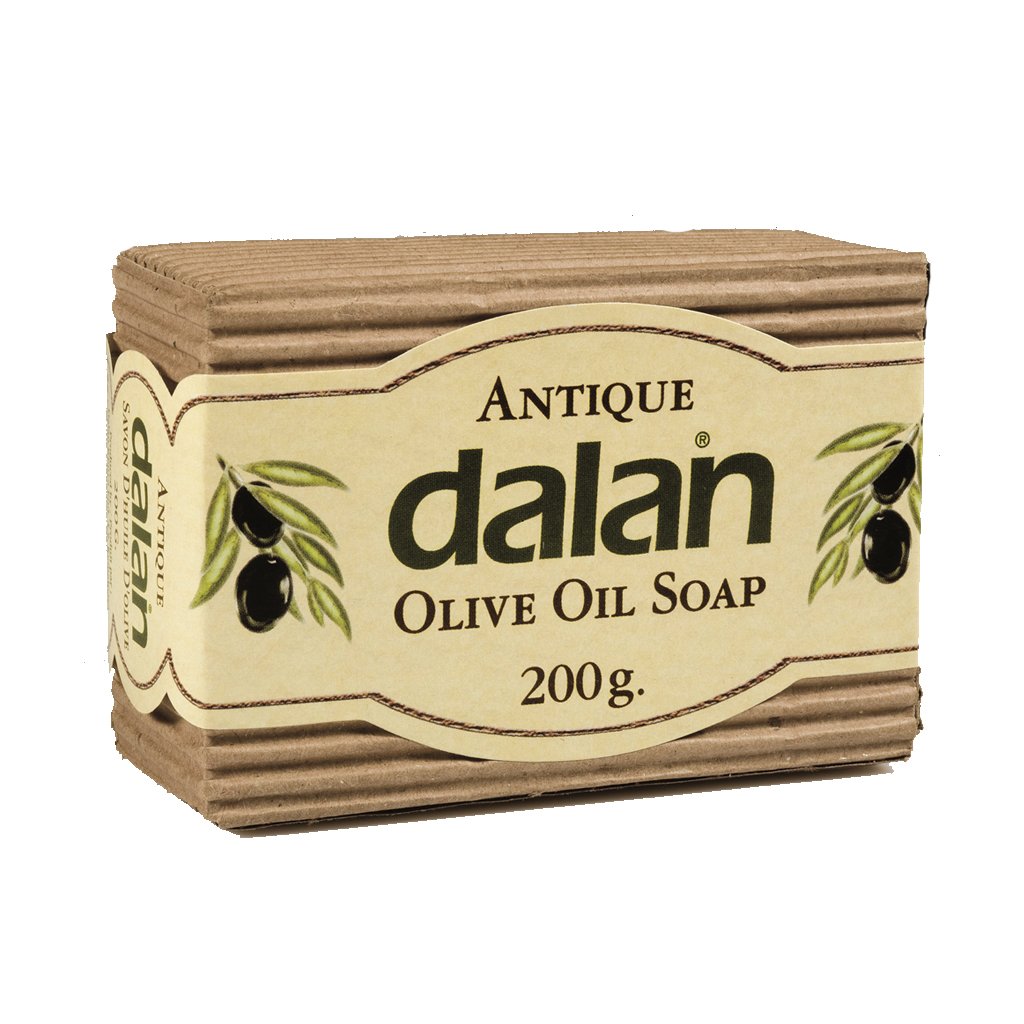
In 1838, the Ottoman city of Izmir was one of the most commercially active ports in the eastern Mediterranean. Ships from Venice, Marseille, and Thessaloniki moved through the harbor regularly, and the city's soap trade — built on the region's abundant olive oil production — was already centuries old when the company that would become Dalan was established there. That founding year, 1838, is not a marketing detail. It is a production lineage.
Imtrex has been the exclusive US importer for Dalan since 1999. Over 25 years of working with one manufacturer, you accumulate a specific kind of knowledge about how they operate, what they prioritize, and what the "186-year-old soap company" claim actually means in practice. This article is an attempt to translate that knowledge into terms that are useful for a US wholesale buyer evaluating whether to carry Dalan.
What 1838 Actually Means for a Soap Company
Before the global supply chain standardized personal care manufacturing, soap was a regionally specific product. The formulations in Izmir used Aegean olive oil. The production methods — saponification temperature, curing time, glycerin retention — were developed by practitioners who passed knowledge down through apprenticeship, not through chemical engineering textbooks. Dalan inherits that lineage.
The practical implications of that heritage are fewer than you might expect in 2026 — Dalan operates modern production facilities, complies with Turkish and EU-harmonized regulatory standards, and manufactures at industrial volume. But a few things genuinely carry forward from that history:
- Olive oil sourcing relationships: Dalan has maintained relationships with Aegean olive oil suppliers across multiple generations of ownership on both sides. This affects consistency of raw material quality and price stability across commodity cycles.
- Cold-process formulation heritage: The company's olive oil soap lines use saponification methods that preserve higher glycerin content than hot-process manufacturing. This is not unique to Dalan among Turkish producers, but the institutional knowledge of how to do it at scale without sacrificing shelf stability is part of what a 186-year production history buys.
- Regulatory depth: A company that has operated through Ottoman regulation, early Turkish Republic standards, and eventually EU-harmonized Turkish pharmaceutical and cosmetics regulation has a compliance track record that a newer manufacturer simply cannot match. For US buyers, this matters when FDA questions arise about ingredient labeling or import documentation.
"186 years is not a story Dalan tells to seem impressive. It is a supply chain fact — the kind of operational depth that only comes from outlasting your competitors across multiple centuries."
The Izmir Connection
Izmir's significance to Turkish soap production is not incidental. The city sits on the Aegean coast of western Turkey, surrounded by some of the country's most productive olive-growing regions — the Bornova plain, the Torbalı valley, and the larger olive belt extending through the Gediz River basin. These areas produce the Aegean olive oil that has been the feedstock for Izmir's soap industry since antiquity.
By the time Dalan was founded, Izmir was already exporting soap to European markets. The Ottoman soap trade was a commercial infrastructure, not just a local craft. What Dalan inherited was not artisan production — it was the industrial form of a centuries-old trade, operating at the intersection of agricultural supply (olive oil), chemical knowledge (saponification), and commercial logistics (export via the Izmir port). That background explains why the company scaled to 40+ country distribution over its history. It was built for export from the beginning.
Production Today: What the Modern Facility Looks Like
Dalan's current production is not romanticized hand-craft. The company operates industrial manufacturing lines that can produce the volumes required for national distribution across dozens of markets simultaneously. The key process points that are relevant to a US buyer are:
- Saponification: The base soap mass is produced through continuous saponification of vegetable oils — primarily olive oil for the d'Olive and natural lines, with palmitate and other vegetable fats in the standard bar soap lines. The chemistry is auditable and the ingredient declarations comply with INCI naming convention for US import.
- Curing and finishing: Bar soaps are formed, cut, stamped, and cured in temperature-controlled environments before packaging. Curing time affects hardness and longevity. Dalan's standard bar soaps have a 24-month shelf life from manufacturing date, which is relevant for US importers managing lead times from Turkey.
- Quality control: Manufacturing quality control follows ISO 22716 (Cosmetics Good Manufacturing Practice) standards. This is the same standard applied to EU-marketed cosmetics, and its application to the Turkish-market products exported to the US means documentation traceability exists at the batch level.
- Halal certification: Dalan's products hold halal certification from a recognized Turkish certification body. This documentation accompanies export batches and is available to Imtrex for B2B buyer verification requests.
Why Heritage Matters to US Buyers Specifically
A grocery buyer's relationship with heritage claims is complicated. The market is full of brands that have retroactively manufactured heritage stories — invented founding dates, fictitious family histories, and romantic origin narratives that bear little relationship to actual production history. Sophisticated category buyers in ethnic CPG are often appropriately skeptical of "since [old year]" claims.
Dalan's 1838 founding is verifiable in ways that manufactured heritage claims are not. The company has documented corporate history, has been referenced in Turkish business and economic literature, and has operated continuously — through two world wars, the transition from Ottoman to Republican governance in Turkey, and the globalization of personal care supply chains — in a way that requires no narrative embellishment. It is simply a fact about the company.
For US buyers, this matters in a specific way: the Turkish-American consumer base already knows this story. When a Turkish-American shopper sees Dalan on a US grocery shelf, they are not reading about the heritage — they are recognizing it. The 1838 figure is not consumer education; it is a recognition trigger. Your job as a retailer is to have the product visible. The brand does the rest.
For buyers serving non-Turkish communities, the 186-year framing functions as a proxy for quality verification. A manufacturer that has survived nearly two centuries in competitive international markets has, by definition, maintained product quality at a standard that retains repeat buyers. That is the argument the number makes on a shelf tag or a buyer presentation.
Dalan's US Market Position
Dalan entered the US market through Imtrex in 1999. The exclusive import agreement means that if you see Dalan on a US retail shelf, it arrived there through Imtrex. There is no parallel US distribution channel. This exclusivity is not a marketing claim — it is the structure of the import agreement, and it means that a buyer stocking Dalan faces no price competition from other US distributors carrying the same brand.
The current US SKU lineup covers bar soap in multiple formats (100g, 150g, 200g, and multipack configurations), liquid hand soap, shampoo, body lotion, and specialty formulations. The full SKU list with UPC codes, case pack quantities, and wholesale pricing is in the Imtrex catalog. The heritage story above applies across the range — but it is most directly relevant to the olive oil and natural formulation lines, where the Izmir production origin and the traditional saponification methods are directly connected to the product's ingredient profile.
Wholesale
Carry Dalan in your store — the only Turkish soap brand your customers already know.
Request wholesale pricing, MOQ, and current inventory. Imtrex is the exclusive US importer — there is no other US source for Dalan.
Request wholesale info