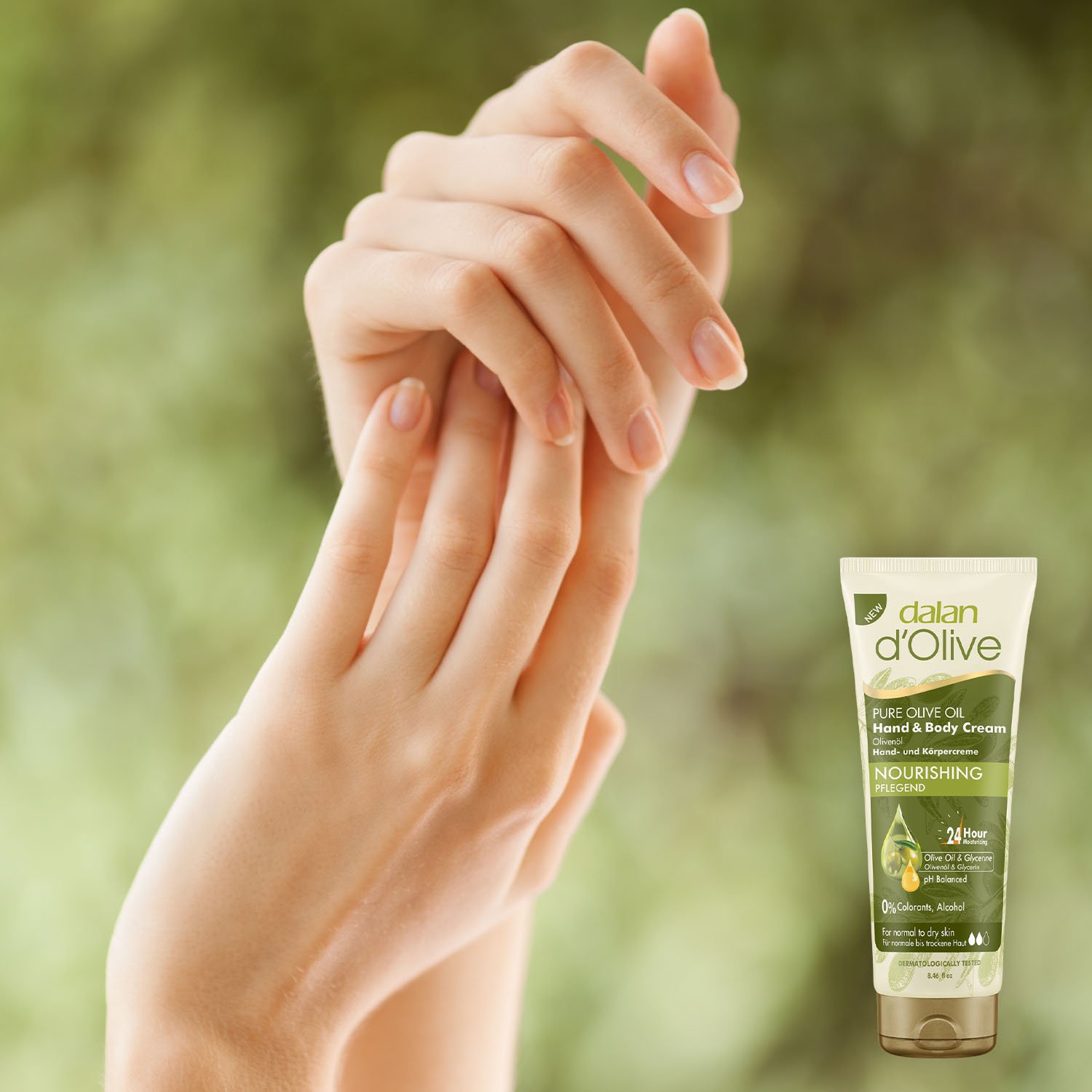
Most grocery category buyers making decisions about bar soap space are not cosmetic chemists. They don't need to be — but there are a small number of technical points about how olive oil soap is formulated differently from synthetic detergent bars that have direct implications for shelf decisions: how to price it, how to talk about it, what to expect for shelf life, and where in the store it belongs. This article covers those points without unnecessary chemistry.
We import Turkish olive oil soap and personal care products. We deal in specifics. The following is what we know from 25 years of working with these products and talking to buyers who stock them.
The Chemistry Difference in Plain Terms
Soap is the product of a chemical reaction called saponification: fats or oils reacting with an alkali (usually sodium hydroxide for bar soap, potassium hydroxide for liquid soap) to produce soap and glycerin. The type of fat or oil used in that reaction determines the properties of the resulting soap.
Olive oil, when saponified, produces a soap with a few specific characteristics:
- High oleic acid content: Oleic acid produces a mild, moisturizing lather that is gentler on skin than soaps made from lauric acid-heavy oils like coconut oil. The trade-off is that pure olive oil soap lathers more slowly and produces less foam volume than coconut or palm soap. For the consumer, this reads as "different" rather than "better" or "worse" — it depends on what they're used to.
- Glycerin retention: In traditional and many commercial olive oil soap processes, the glycerin produced during saponification is retained in the final bar. In many mass-market synthetic soap and detergent bar manufacturing processes, the glycerin is extracted and sold separately (it has high value in cosmetic applications). The retained glycerin in olive oil soap is the source of the "moisturizing" attribute that distinguishes these products on packaging and shelf tags.
- Longer cure time: Olive oil soap requires longer curing than soaps based on faster-saponifying oils. A fully cured olive oil bar is harder and lasts longer in use than an under-cured bar. Reputable manufacturers build this curing time into their production schedules, which is why lead times from manufacturing to shelf for genuine olive oil soap are somewhat longer than for mass-market bars.
A synthetic detergent bar is not soap by legal definition in most jurisdictions — it is a synthetic surfactant product shaped and marketed like soap. The distinction matters for labeling: genuine soap can be labeled "soap" under FDA regulations; if the product is made with synthetic detergent ingredients, it must be labeled as a "cosmetic" and subject to different regulatory requirements. Most mass-market "bar soaps" sold in the US are actually synthetic detergent bars.
"The retained glycerin in olive oil soap is not a marketing addition — it is a natural byproduct of the saponification process that was never extracted. That is a meaningful product difference, not a label claim."
Shelf Life and Storage: What Buyers Need to Know
This is where category buyers sometimes run into problems with olive oil soap SKUs that they would not encounter with synthetic bars. The relevant points:
- Oxidation risk: Olive oil, like all vegetable oils, can oxidize over time. Well-formulated and cured olive oil soap has a shelf life of 24–36 months from manufacturing date, comparable to synthetic bars. Poorly formulated or under-cured soap may develop rancidity within 12–18 months. For US buyers receiving imported Turkish olive oil soap, the key is to verify manufacturing date on incoming shipments and ensure you're turning inventory before the 18-month mark.
- Temperature sensitivity: Olive oil soap holds up well in standard room-temperature retail storage. What it does not tolerate is extended exposure to high heat (warehouse temperatures above 85°F during summer months) or direct sunlight through store windows. Packaging protects against the latter; warehouse conditions protect against the former. This is the same standard care required for most natural personal care products.
- Appearance variation: Genuine olive oil soap has slight color variation from batch to batch, depending on the olive oil vintage used. A uniform, perfectly consistent white or cream color across all bars in a carton may indicate synthetic or highly processed formulation. Natural variation is not a defect — but it can generate consumer questions if a shopper notices that the bar they bought this month looks slightly different from the one they bought last month. Category buyers should be aware of this and address it in shelf signage if needed.
| Factor | Olive Oil Soap | Synthetic Detergent Bar |
|---|---|---|
| Primary ingredient | Saponified olive oil (sodium olivate) | Synthetic surfactants (sodium lauryl sulfate, etc.) |
| Glycerin content | Retained naturally in bar | Typically extracted; sometimes added back |
| Lather character | Soft, creamy; lower foam volume | High foam, fast lather, rinses cleanly |
| Shelf life | 24–36 months from manufacturing date | 24–36 months; more stable under heat |
| FDA classification | Soap (if truly soap by formulation) | Cosmetic (requires full cosmetic labeling) |
| Halal eligibility | Eligible with vegetable oil base | Depends on surfactant sourcing |
| Typical wholesale margin | Higher per unit (natural/specialty positioning) | Lower per unit (volume/commodity pricing) |
Pricing and Margin: The Category Position
Olive oil soap commands a higher retail price point than mass-market synthetic bars, which directly impacts your margin per unit. The typical retail price range for Turkish olive oil soap bars (150g–200g) is $3.49–$5.99 depending on retail channel, placement, and whether the brand carries name recognition. This compares to $0.79–$2.49 for commodity synthetic bars at mainstream grocery.
The margin per unit is higher in absolute dollar terms even where the wholesale price is higher, because the retail price premium more than compensates. The question is turn rate: a bar priced at $4.99 with a 45% margin turning 6 units per week generates more gross profit per foot of shelf space than a bar priced at $1.29 with a 38% margin turning 18 units per week — but only at that turn rate. If the olive oil bar turns at 2 units per week, the economics reverse.
In ethnic grocery stores with a significant Turkish, Middle Eastern, or Mediterranean consumer base, olive oil soap turn rates are consistently at the higher end of the range. In mainstream grocery stores where the product has no built-in consumer recognition, placement needs to be in a curated natural or specialty section with supporting shelf education, or the turn rate will disappoint.
Placement Recommendation for Category Buyers
The simplest framework for where to stock olive oil soap: place it where your customers already know what it is, or where you have the shelf space and customer education infrastructure to explain what it is. In practice:
- Ethnic grocery with Turkish, Middle Eastern, or Mediterranean consumer base: Primary placement in the Turkish/Mediterranean personal care section, with core SKUs. Secondary placement near the register if space allows — these are recognition purchases that respond to reminder placement.
- Natural/organic grocery section: Works in stores that have an established natural personal care customer base who reads ingredient labels. The "retained glycerin, real olive oil saponification" story works here. Requires shelf signage that explains the product, not just prices it.
- Mainstream grocery, conventional personal care set: The hardest placement to execute well. These customers are buying on familiarity and convenience. Turkish olive oil soap will move if placed adjacent to established natural brands (Dr. Bronner's, Kirk's, equivalent) with clear "natural olive oil soap" signage. Without that context, it reads as unfamiliar and gets passed over.
Wholesale
Carry Dalan olive oil soap in your store.
Request wholesale pricing and current inventory for Dalan and d'Olive — Imtrex's Turkish olive oil personal care lines. We respond within one business day.
Request wholesale info