The private label inquiry from a grocery buyer used to have a predictable profile: regional chain, 15+ locations, looking to enter natural personal care with a store-brand SKU to protect margin. That profile has not disappeared, but it is no longer the only one. Over the past two years, Imtrex has received private label inquiries from operators with as few as three locations who want to put their store name on Turkish olive oil soap. The economics of Turkish manufacturing have made private label accessible at smaller volumes than it was five years ago, and the demand for differentiated personal care at the independent grocery level has grown in parallel.
This guide covers the actual process — what it requires, how long it takes, where it gets complicated, and what buyers often underestimate before they start. It is not a pitch for private label. It is an honest account of what the process involves, so that a buyer who is considering it can assess whether it makes sense for their operation.
Is Private Label Realistic for Your Operation?
The minimum order quantity question is usually the first thing buyers ask, and the answer matters more than anything else in the early evaluation. The practical minimum for a Turkish manufacturer to run a private label production batch of bar soap is approximately 5,000–10,000 units per SKU for a new label on an existing formula. At 10,000 units of a standard 150g bar soap, you are looking at roughly 500–600 cases depending on case pack configuration. That is a meaningful inventory commitment for a smaller operator.
For liquid soap and other product categories, minimums vary. Some manufacturers can go as low as 3,000 units for liquid soap private label; others require more. The specific manufacturer and the specific formula both affect the number.
A buyer with 3–5 stores who wants to test a private label bar soap program should be thinking about whether they can realistically sell 10,000 bars — across all stores, across 12–18 months of the program — before committing. A bar of Turkish olive oil soap priced at $3.99 retail represents $39,900 in retail sales at that quantity. If your category currently turns similar products at reasonable velocity, that number is achievable. If you are entering the category for the first time with a new store brand, it is a risk.
"Private label is not a volume play for the first order. It is a product development investment. The payoff is differentiation and margin control on reorders, not unit economics on order one."
The Process: A Realistic Timeline
The 16–22 week figure is the honest number when everything goes smoothly. The places it gets extended are almost always the artwork review and revision cycle (manufacturers have specific die lines, color registration requirements, and language rules that designers unfamiliar with Turkish print production often miss on the first submission) and the production scheduling queue (if the manufacturer's production calendar is full, your run may not start for several weeks after artwork approval).
FDA Labeling Requirements: Where Buyers Are Caught Off Guard
US FDA personal care labeling requirements are not identical to the Turkish requirements the manufacturer's standard label meets. For a private label product sold in the US, the label must comply with 21 CFR Part 701 (cosmetics labeling) or, if the product qualifies as soap under the FDCA definition, with specific soap labeling regulations.
The practical requirements that buyers often overlook:
- Ingredient declaration: All ingredients must be listed in descending order of predominance using INCI (International Nomenclature of Cosmetic Ingredients) names, in English, on the label. The Turkish ingredient list uses INCI names but in Turkish; the US label requires English INCI names. These are the same names — "Sodium Olivate" is "Sodium Olivate" in both languages — but the translation needs to be verified at the ingredient level, not just translated as a text block.
- Net weight: Both metric (grams) and US customary (ounces) weights are required on US labels. Turkish labels show grams only.
- Importer of record: The label must identify the US distributor/importer. For private label, the buyer's company name and address appear here. This is a legal declaration, not marketing copy — it means the buyer is accepting responsibility for the product's compliance under US law.
- FDA facility registration: The manufacturing facility must be registered with the FDA for cosmetics if the product is a cosmetic (not soap by definition). This is Imtrex's responsibility as the importer of record, but buyers should verify that any manufacturer they work with — directly or through a broker — is properly registered before committing to a production run.
Common Complications and How to Avoid Them
Based on private label projects Imtrex has coordinated, the complications that add the most delay:
- Artwork files not in the manufacturer's required format: Turkish manufacturers typically require artwork in AI or EPS format, at specific print dimensions, with bleed zones and die-line registration. A PDF or PNG submitted by a designer unfamiliar with Turkish packaging print specs will be rejected and require rework. Confirm the manufacturer's exact file requirements before briefing your designer.
- Brand claims that violate FDA cosmetic labeling rules: Claims like "heals dry skin," "treats eczema," or "kills bacteria" trigger drug classification under FDA rules, requiring a different regulatory pathway that most personal care manufacturers are not set up to support. Keep label claims to cosmetic (cleaning, moisturizing, conditioning) territory.
- Underestimating the curing and manufacturing queue: Olive oil bar soap requires curing time after production — typically 4–6 weeks — before it is ready for packaging. This time is baked into the manufacturer's production timeline but is not always communicated to the buyer at the outset. A buyer expecting 3 weeks from "production start" to "ready to ship" should expect 7–9 weeks.
- First-production sampling gaps: A production run of 10,000 units without a physical sample approval creates risk — the printed label color, the bar embossing (if applicable), and the fragrance (if the formula includes added fragrance) may vary from the digital approval. If pre-production physical samples are possible in the timeline, they are worth the 1–2 week delay.
The Honest Assessment: Who Should Do This
Private label Turkish personal care makes sense for a grocery operator who: has an established Turkish or Middle Eastern/Mediterranean consumer base with demonstrated velocity on existing imported personal care SKUs, can commit to a 16–22 week lead time without shelf gaps during development, has the capital to hold 6–18 months of inventory at market launch, and has a clear retail price and margin model that makes the economics work at the minimum production quantities above.
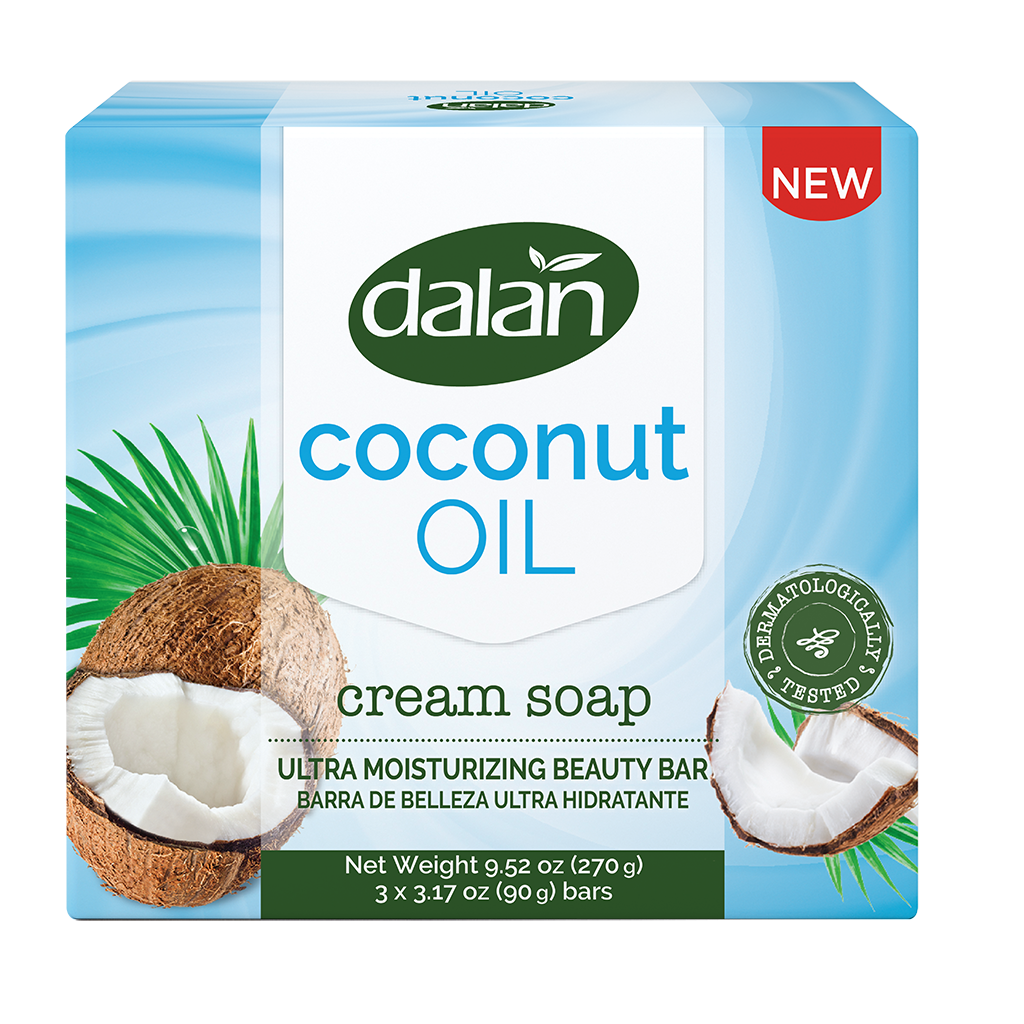
It does not make sense as a way to test whether Turkish personal care will work in your stores. Test with stock SKUs first. If the turn rate on Dalan or d'Olive convinces you that your customers buy this category, then private label is the right next step. Skipping that test and going directly to private label is a way to find out at significant expense that the category was smaller than you estimated.
To discuss private label inquiry — specific formulas available, minimum quantities for your targeted SKU, current manufacturer capacity — contact the Imtrex team directly. These conversations require specifics that are not publishable here.
Private Label Inquiry
Ready to discuss private label Turkish personal care for your stores?
Contact Imtrex directly to discuss formulas, MOQs, and timelines. Private label conversations start with a phone call or email — not a web form.
Contact Imtrex